GREAT WINGS

Eleven clowns who found their wings

Exhibition 29–30 August 2026 · Le Moulin Jaune, France

ISutsis
ISutsis

The Great Wings project is a study of the clown as one of the oldest archetypes in world culture — a figure who lives on the border between fear and freedom, tragedy and hope, the earthly and the imagined.

From ritual tricksters and shamans to medieval jesters, the masks of the Commedia dell’Arte, street performers and contemporary clowns, this archetype has kept its central function for centuries: to be a guide between worlds. It was allowed to break the rules, to speak uncomfortable truths, to laugh at fear, and to open the way to places others did not dare to enter.

Clowns with wings are not symbols of sainthood or of religious election. They are an image of inner transformation. These are not angels hiding behind clown masks. These are clowns who have found their wings.

The series portrays eleven remarkable clowns, each of whom changed the language of their art and widened the borders of clowning. Together they form a history of that archetype — from silent film and the classical circus to mime, street theatre and contemporary performance.

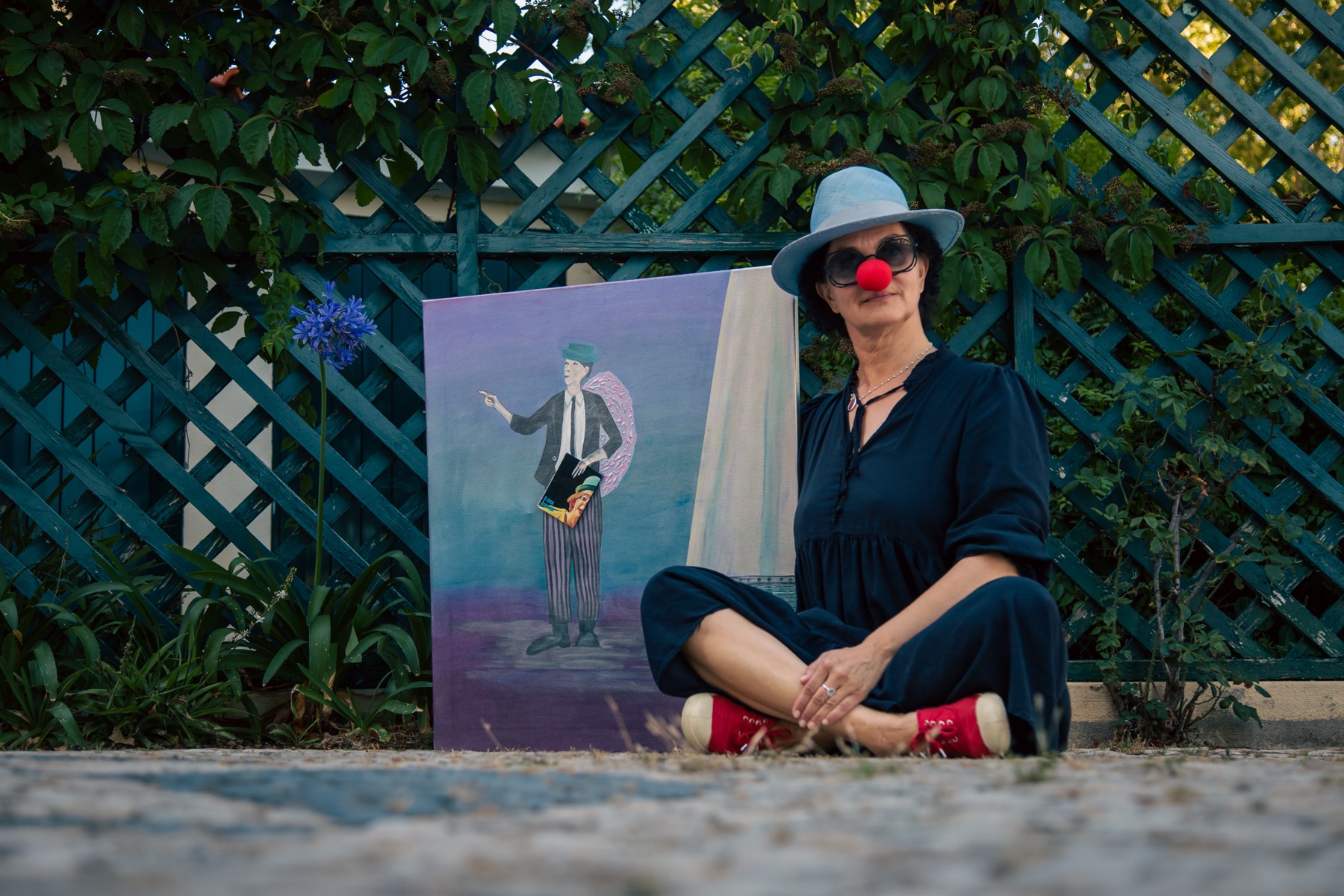
The author of the project is ISutsis, a contemporary artist working at the intersection of painting, collage and object. Her work explores memory, inner transformation, cultural archetypes and the nature of human fragility.

Great Wings is a project about the human capacity to turn fear into freedom, loss into memory, and fragility into strength.

The wings are always with us. One day they simply open.
The wings are always with us. One day they simply open.

ISutsis
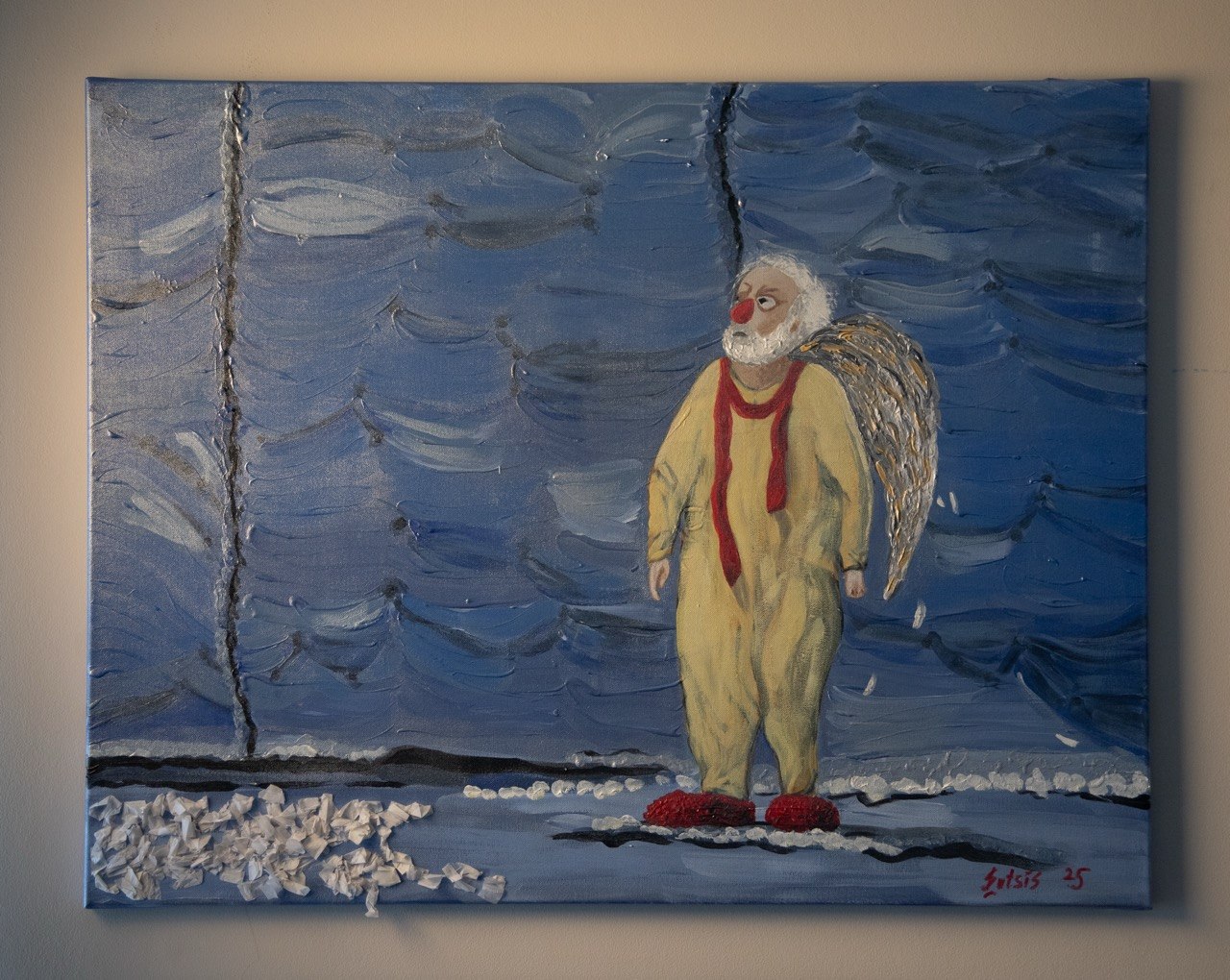
Slava Polunin

Slava Polunin

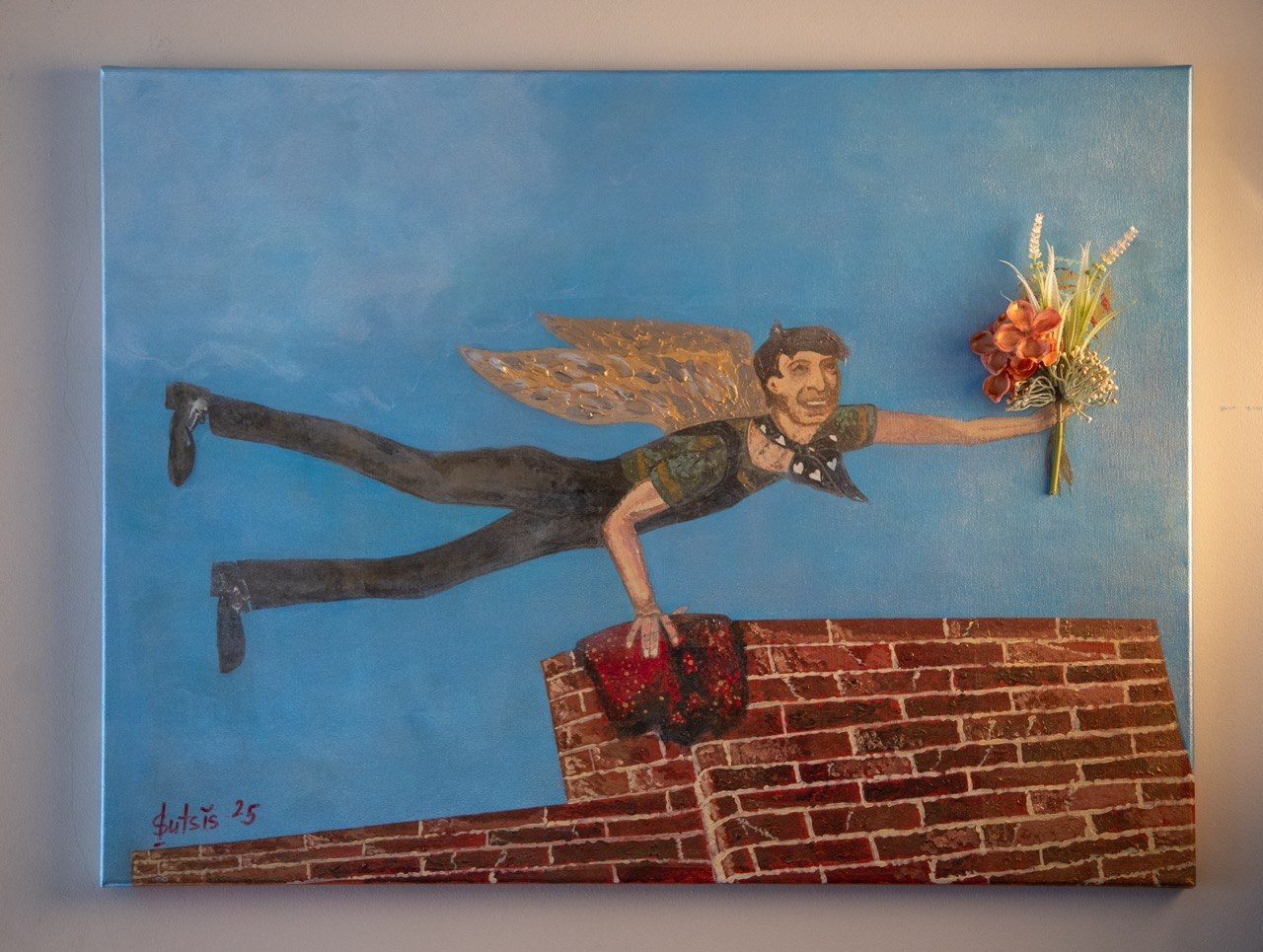
A world-famous clown, theatre director and performance artist. Founder of the Litsedei theatre, creator of Slava’s Snowshow, of the international community the Academy of Fools, and of Le Moulin Jaune — an artistic space in France conceived as a total work of art.

In 1989 Polunin gathered the Caravan of Peace, a journey of hundreds of clowns, musicians and street performers across Europe in the days the Iron Curtain fell. His work turned clowning from a circus genre into a universal language of contemporary theatre and performance.

2025
canvas, acrylic, paper snow from Slava’s Snowshow, UV gloss varnish
70 × 80 cm

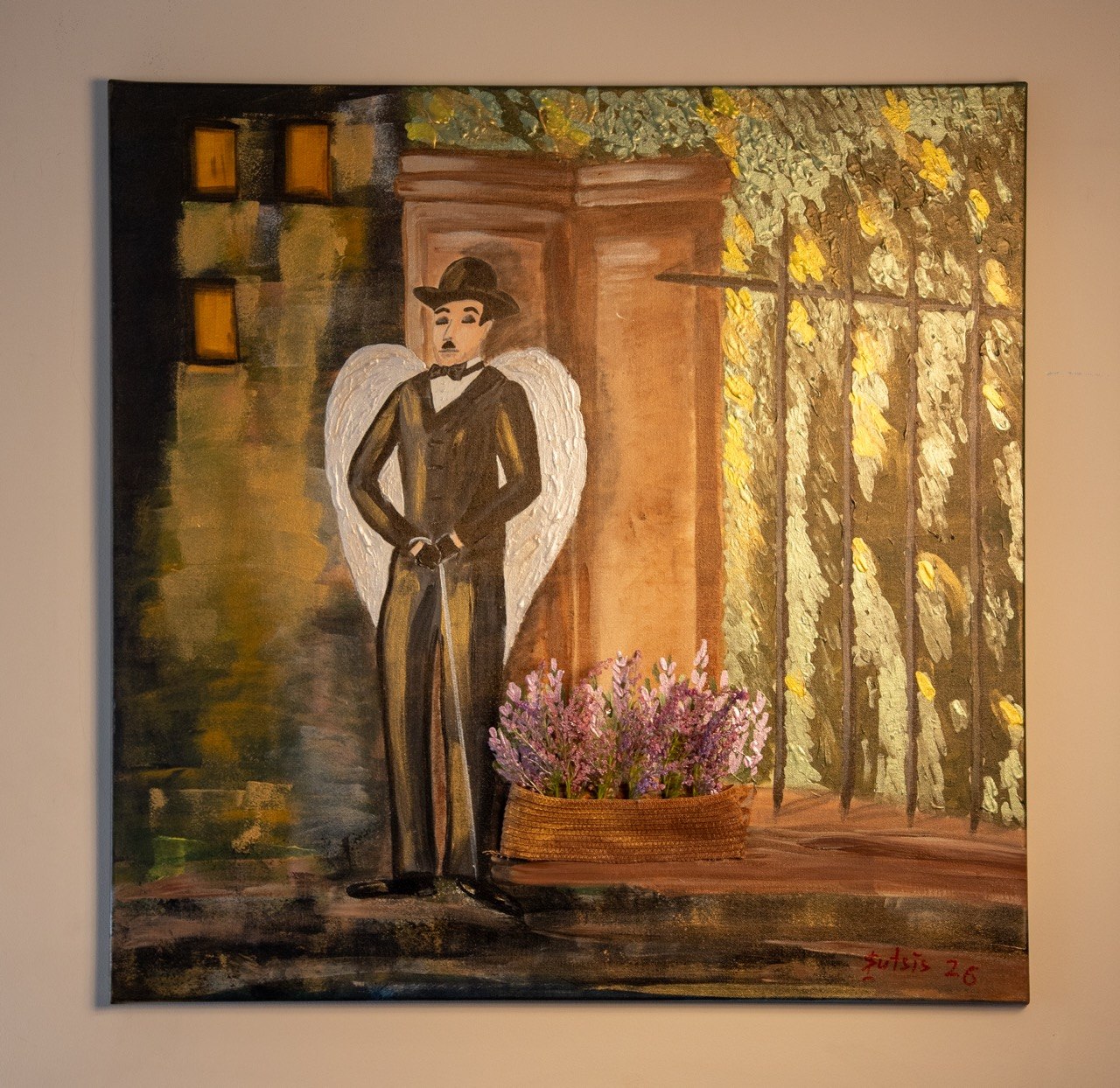
Charlie Chaplin

Charlie Chaplin

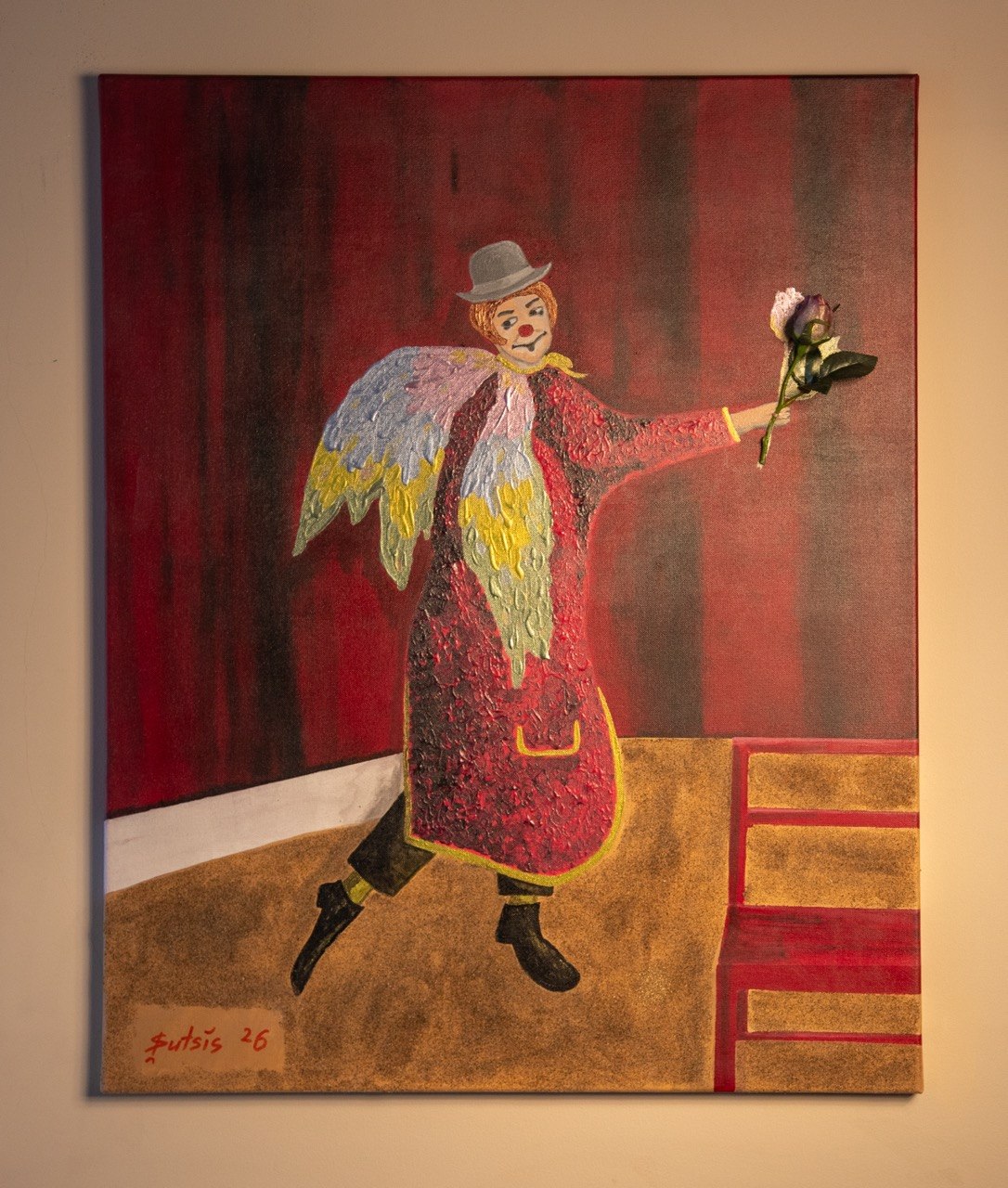
Charlie Chaplin turned clowning into the high art of cinema. The Tramp he created became one of the most recognisable symbols of the twentieth century. He was the first to join comedy with deep human drama and social satire, proving that a clown can speak about the things that matter most — dignity, loneliness and compassion.

2026
canvas, acrylic, basket, flowers, UV gloss varnish
80 × 80 cm

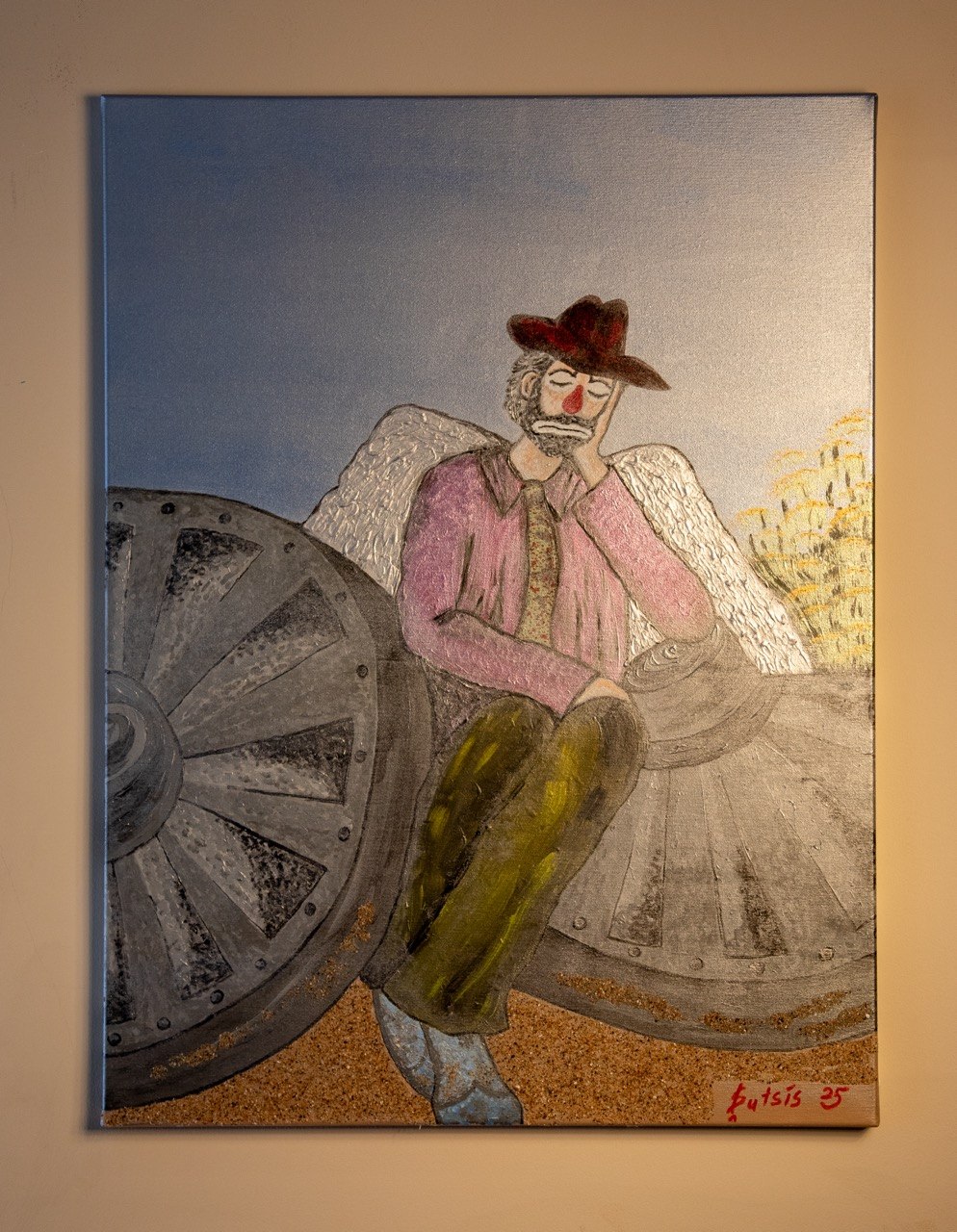
Emmett Kelly

Emmett Kelly

Emmett Kelly created Weary Willie, the sad tramp who changed what a circus clown could be. His character was not a noisy joker but a man with an inner life, opening a new direction of lyrical and dramatic clowning.

2025
canvas, acrylic, ocean sand, UV gloss varnish
80 × 60 cm

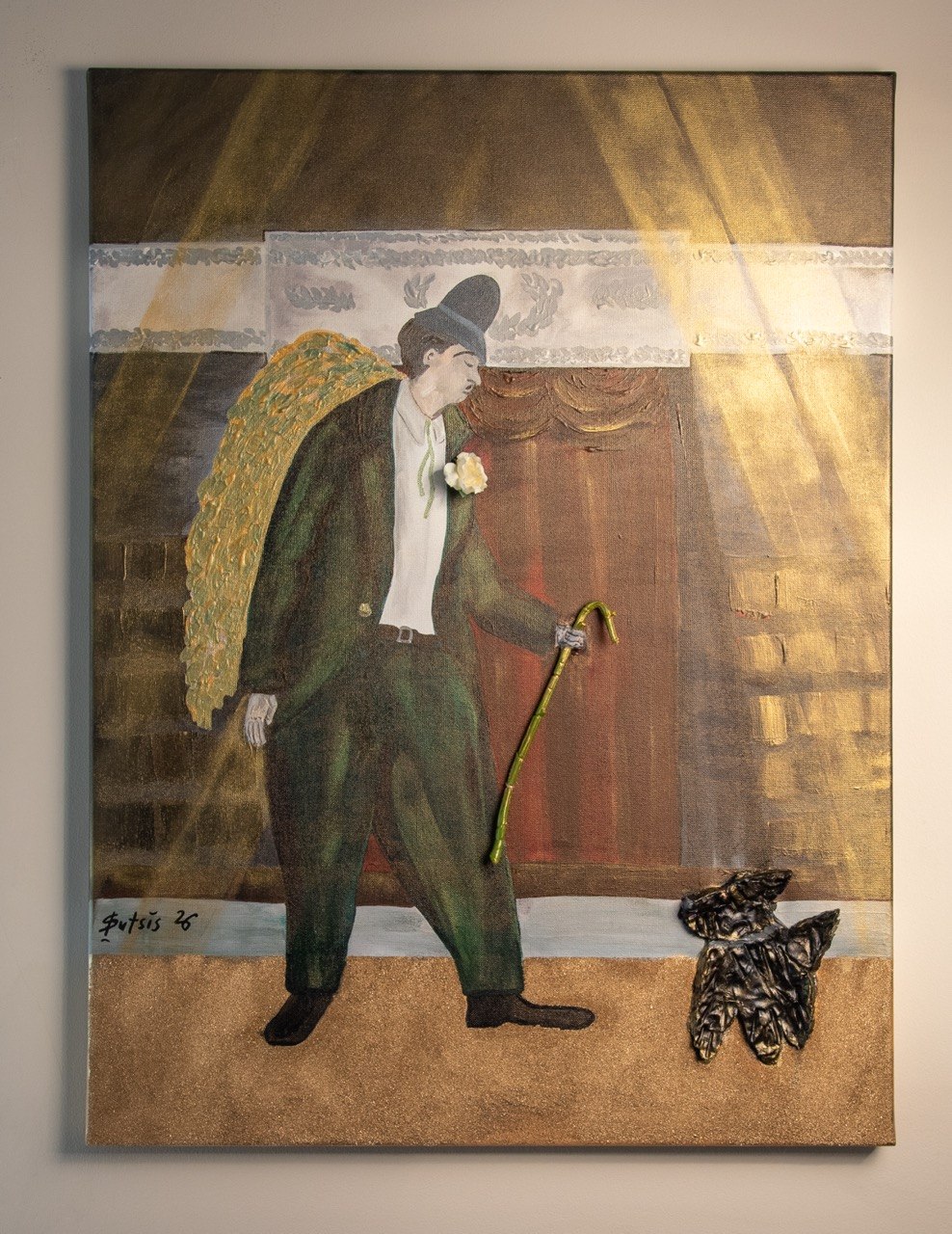
Karandash (Mikhail Rumyantsev)

Karandash (Mikhail Rumyantsev)

Mikhail Rumyantsev, known as Karandash (“Pencil”), is considered the founder of the Soviet school of clowning. He taught several generations of performers, among them Yuri Nikulin and Oleg Popov. His work combined satire, warm humour and vivid stage presence.

2026
canvas, acrylic, ocean sand, gold spray paint, polymer clay, flowers, UV gloss varnish
80 × 60 cm

Leonid Yengibarov

Leonid Yengibarov

Leonid Yengibarov created the genre of poetic clowning. He gave up the usual circus gags for physical theatre, lyricism and philosophical content, and had a lasting influence on contemporary theatre and mime.

2025
canvas, acrylic, flower, UV gloss varnish
60 × 80 cm

Annie Fratellini

Annie Fratellini

Annie Fratellini was one of the first women to win international recognition as a clown. Continuing the famous Fratellini circus dynasty, she made a great contribution to preserving classical European clowning and to the development of professional circus education.

2026
canvas, acrylic, ocean sand, flowers, UV gloss varnish
80 × 65 cm

Marcel Marceau

Marcel Marceau

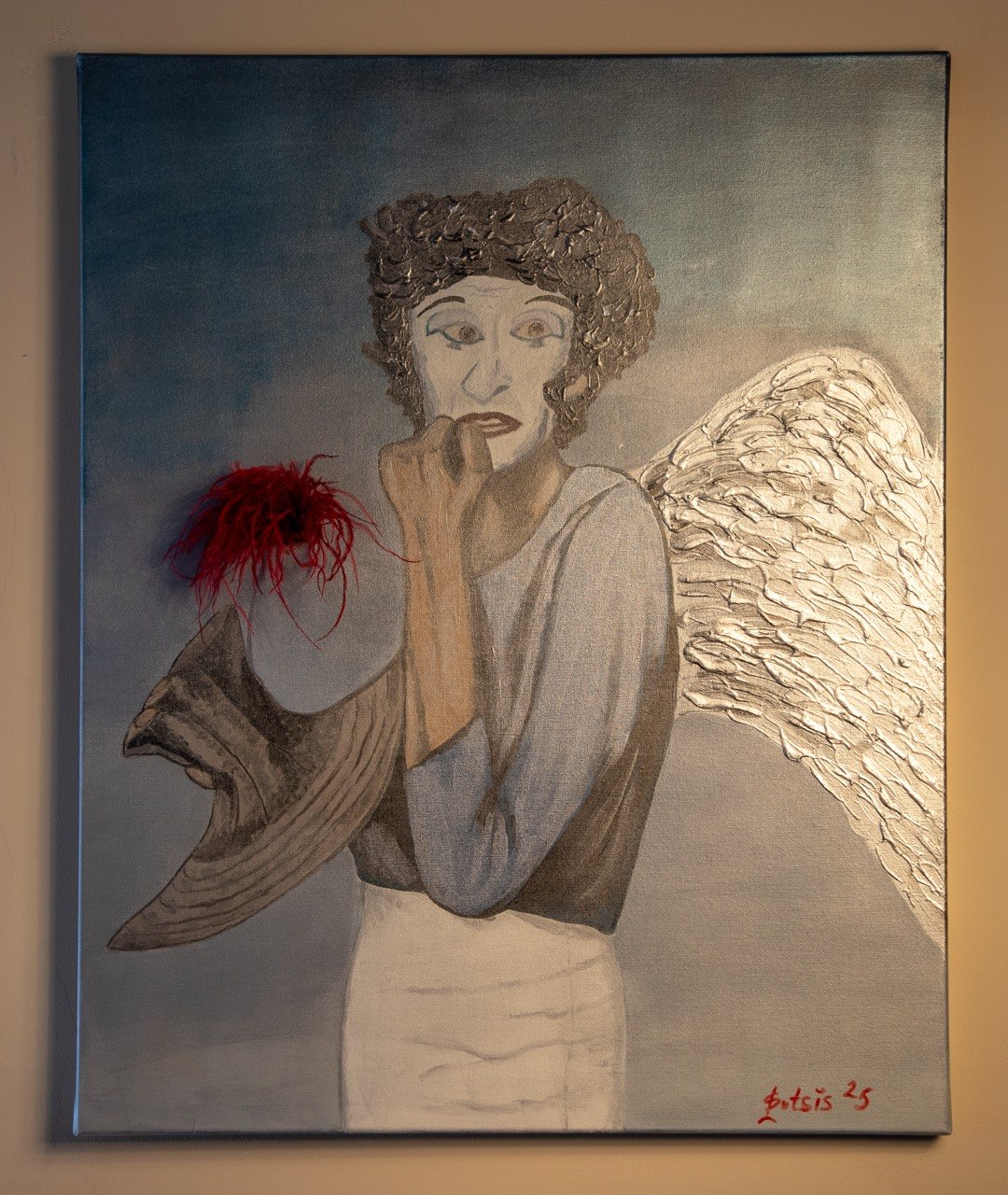
Marcel Marceau made the art of mime known throughout the world. His character Bip became the symbol of the silent theatre of the twentieth century. Thanks to Marceau, the movement of the human body became a language of its own, understood regardless of country or tongue.

2025
canvas, acrylic, feather, UV gloss varnish
80 × 60 cm

Oleg Popov

Oleg Popov

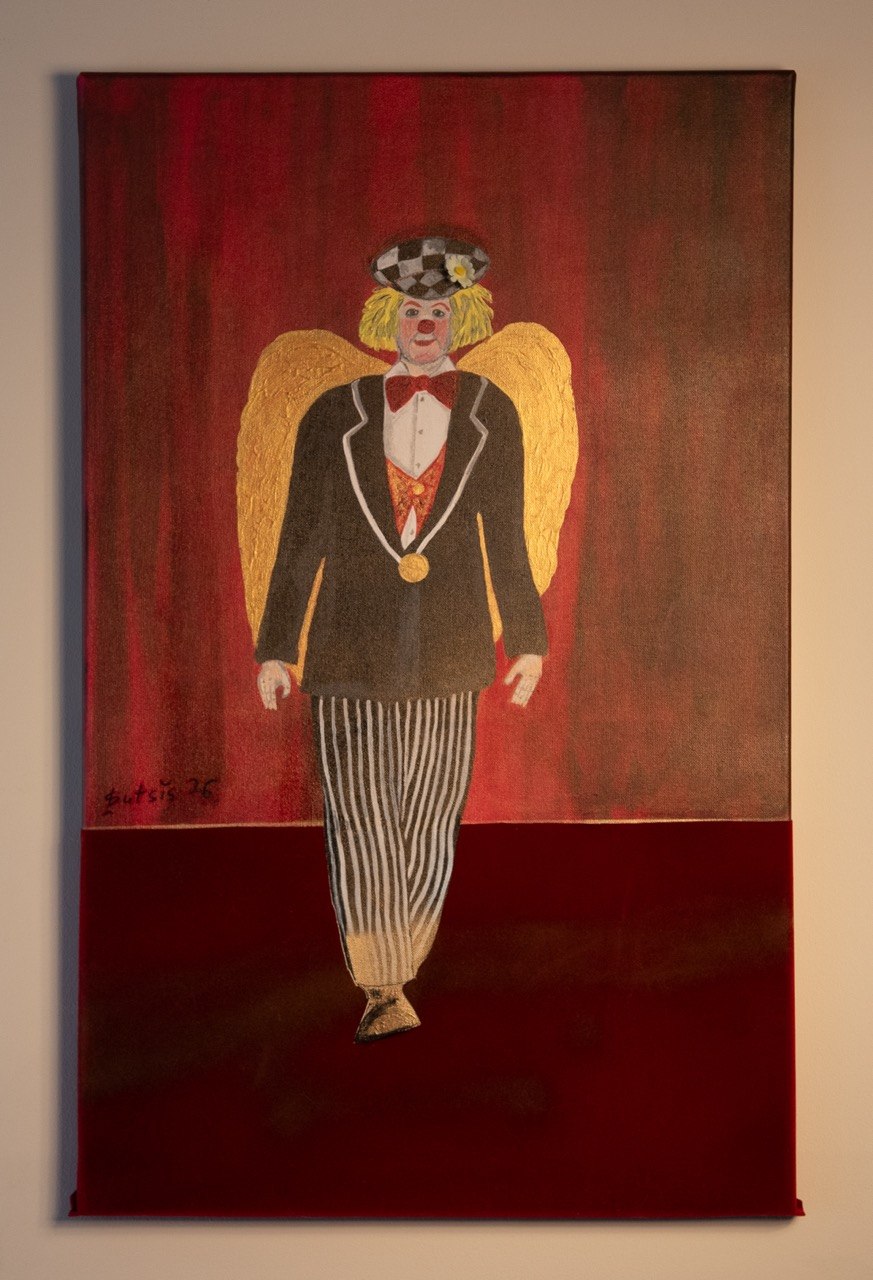
Oleg Popov created the image of the Sunny Clown, full of kindness, light and sincerity. His work became a symbol of the Soviet circus and had a great influence on the world culture of clowning in the second half of the twentieth century.

2026
canvas, acrylic, flower, velvet paper, gold spray paint, UV gloss varnish
80 × 50 cm

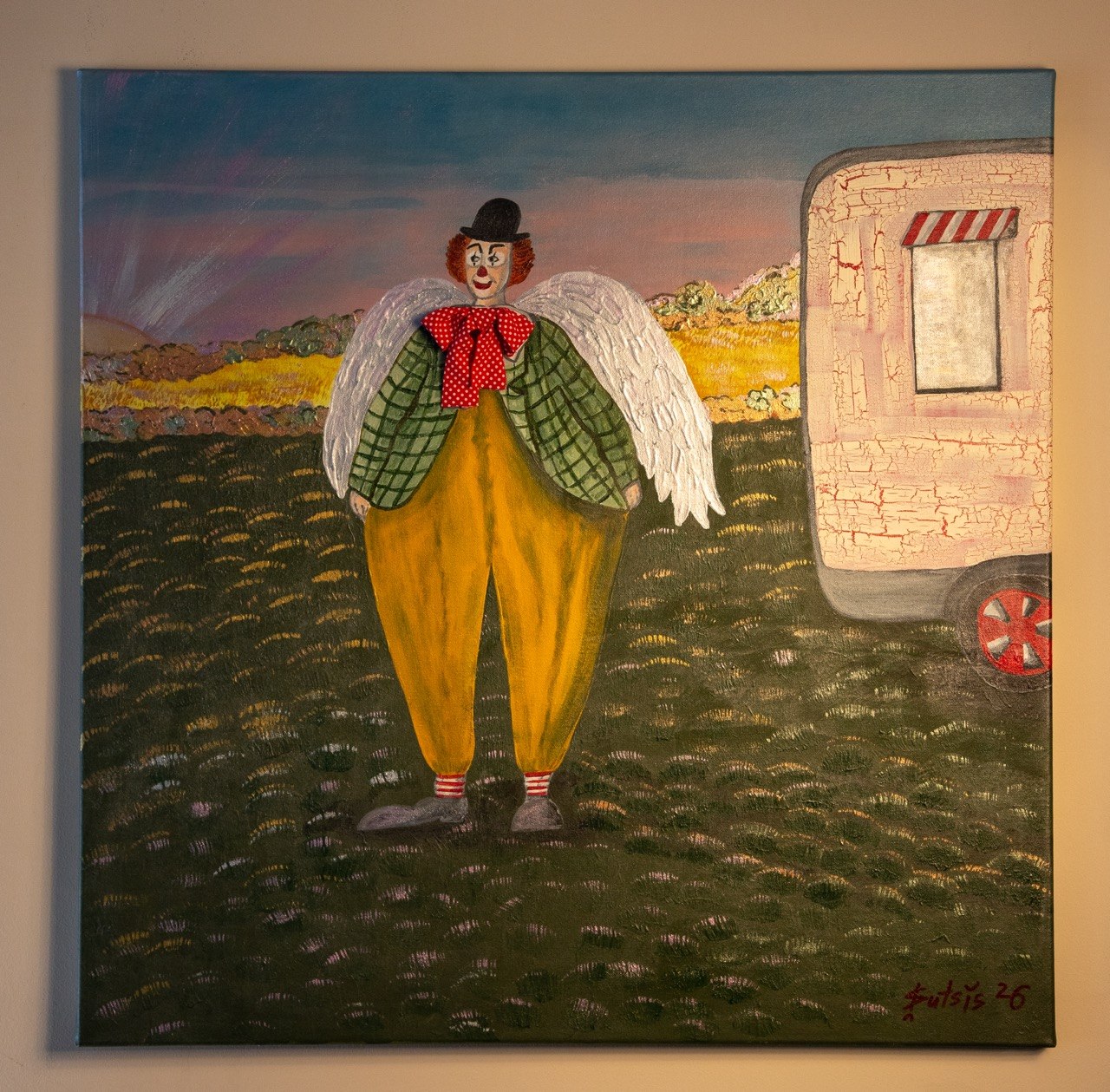
Pipo

Pipo

Pipo is one of the best-known clown figures in the Netherlands, created by Wim Meuldijk. The character introduced several generations of children to circus and theatre, and became an important part of Dutch cultural tradition.

2026
canvas, acrylic, craquelure, ribbon, UV gloss varnish
80 × 80 cm

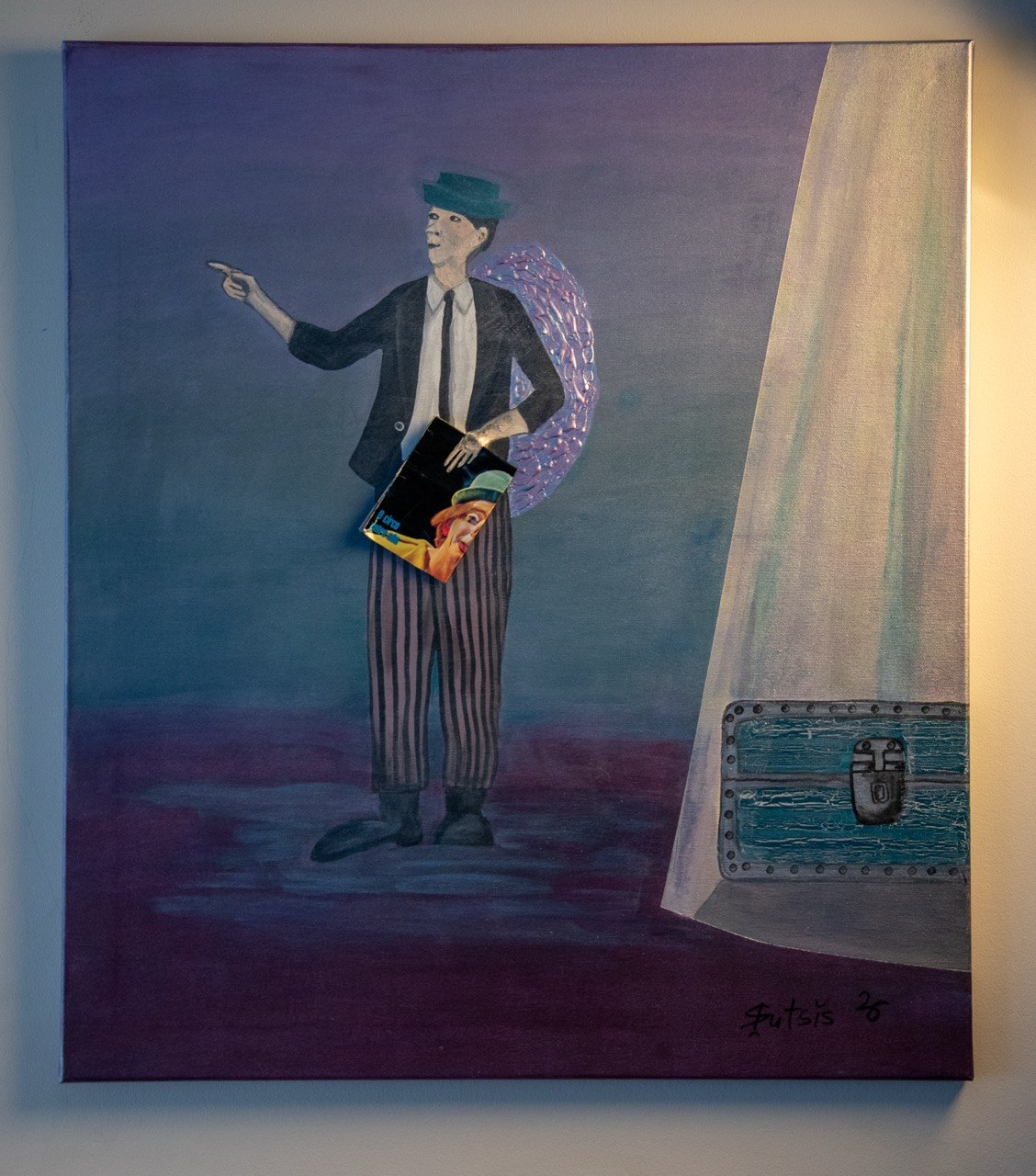
Yuri Nikulin

Yuri Nikulin

Yuri Nikulin was one of the greatest clowns of the twentieth century, joining circus art to an outstanding career as a film actor. His duo with Mikhail Shuydin entered circus history, and his human warmth and fine sense of humour made him a favourite of millions.

2025
canvas, acrylic, cover of Tempo magazine (1971), craquelure, polymer clay, UV gloss varnish
80 × 70 cm

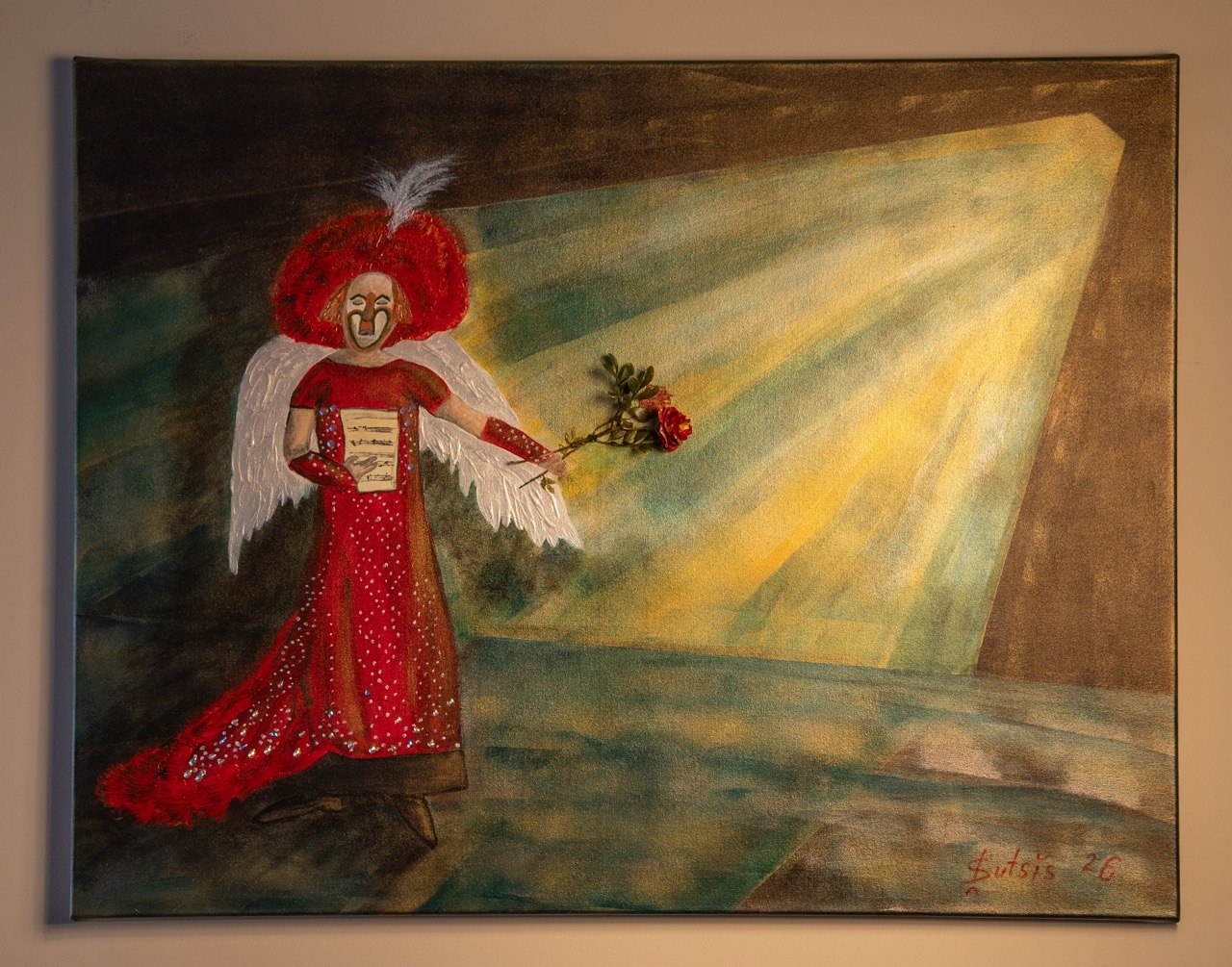
Charlie Rivel

Charlie Rivel

Charlie Rivel is considered one of the greatest European clowns of the twentieth century. His inimitable physicality, musicality and minimalism created a stage character that profoundly shaped modern clowning.

2026
canvas, acrylic, flower, self-adhesive rhinestones, UV gloss varnish
70 × 90 cm

Stasik, my dear… I wonder what you would have said to me about all this. Well — we’ll talk it over

❤︎

Contact